
The provincial election is fast approaching, and many of us may still be trying to find information on where candidates stand on certain issues and what their plans are if they are elected into office. An issue that affects all of us and is top of mind for us here at BCAHL is ongoing support for healthy living for everyone in BC.
Chronic diseases, such as cancer, type 2 diabetes and heart and lung disease, affect one in three British Columbians and are the leading causes of premature death in the province. These put a significant burden on individuals and families, as well as the healthcare system that’s already under heavy strain.
Health is an important aspect of a thriving and prosperous BC. Where do the candidates in your riding stand on these issues? Consider asking them the following questions:
-
More than 60% of B.C. males and 67% of B.C. females had at least one common chronic condition recorded in their lifetime, with the prevalence increasing substantially over the past two decades. The Provincial Health Officer reports that “the largest proportion of total health care costs is directly or indirectly attributable to chronic disease and a significant fraction of these diseases have behavioural antecedents that can be modified.”
- What is your party’s stance on investing in chronic disease prevention, and would you commit to moving toward allocating 6% of B.C.’s health budget to prevention? What specific investments would your party make to support healthier communities?
-
B.C. has made significant progress in reducing tobacco use. In 2024, only 8.1% of British Columbians reported smoking daily or occasionally, the lowest rate among Canadian provinces. At the same time, youth nicotine use remains an important public-health concern; 26% of B.C. youth had ever vaped. National data also show continued vaping among students in Grades 7-12.
- What is your party’s stance on tobacco and vaping control, particularly youth vaping? Would your party support a comprehensive nicotine strategy that includes stronger prevention and education, restrictions on flavoured vaping products, and expanded cessation supports?
-
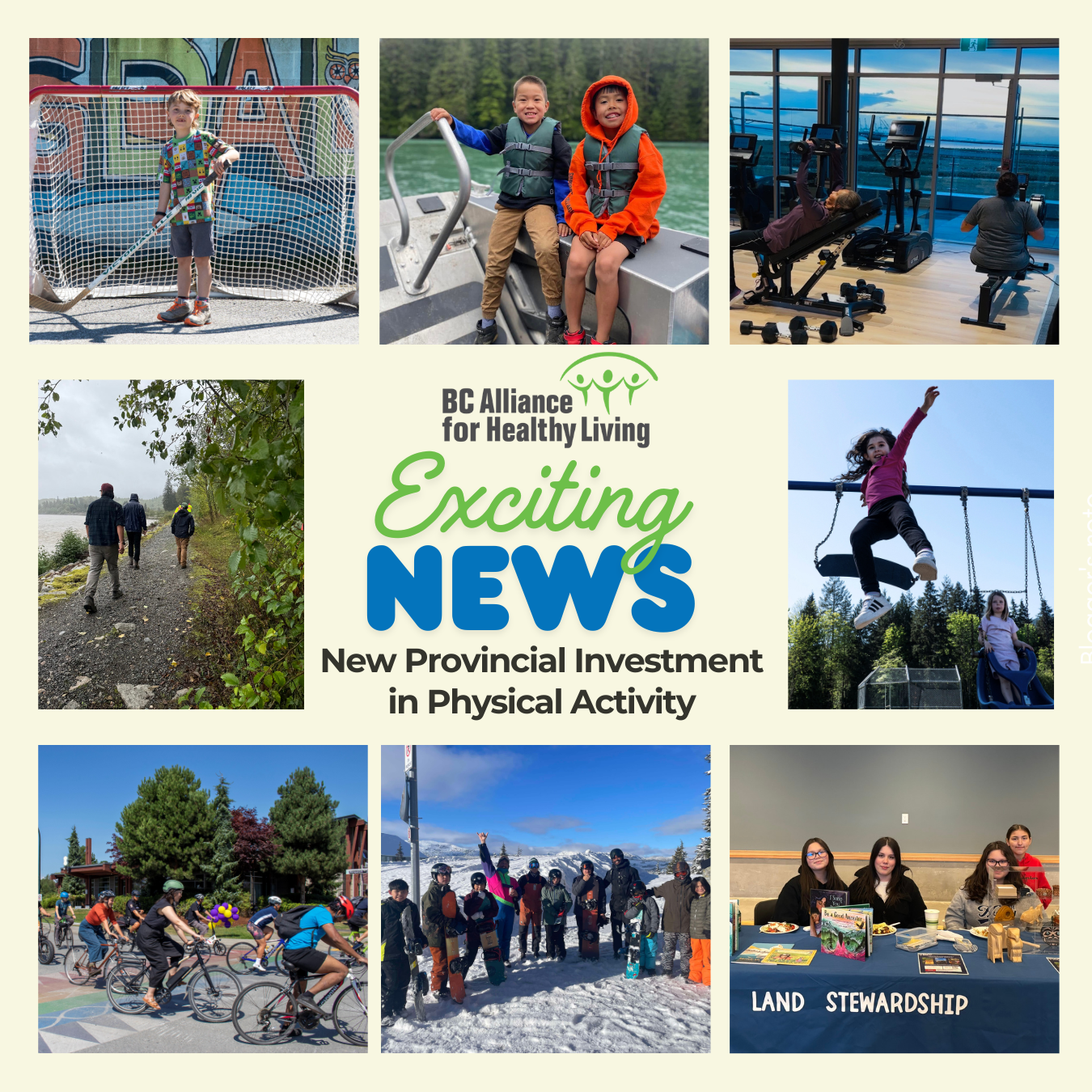
Physical activity is a modifiable risk factor for more than 30 chronic conditions and can reduce all-cause mortality by 31% compared with none. Even low levels of physical activity can promote positive mental health, it is important for healthy child development, while in old age it delays frailty and reduces the risk of falls. B.C.’s Physical Activity Strategy: Active People, Active Places expired in 2025. The average age of B.C.’s recreation facilities is approximately 46 years; many are nearing or exceeding their expected 50-year service life.
- How would your party support community-based physical activity?
-
Health is strongly influenced by social and economic conditions. British Columbians who live in our poorest communities are between 24% and 91% more likely to die prematurely from chronic disease. In B.C., 24.4% of households experienced food insecurity in 2024, including 32.6% of children. Housing affordability also remains a major concern: 25.5% of B.C. households spent 30% or more of their income on shelter costs in the 2021 Census. These pressures can make it harder for people and families to afford nutritious food, participate in physical activity, maintain stable housing and achieve good health.
- What is your party’s stance on addressing the broader factors that influence health, housing affordability, food insecurity and low income?