Author: foundry

  • Healthy and Resilient BC: A Voter’s Guide

    Healthy and Resilient BC: A Voter’s Guide

    BC is facing a perfect storm of intersecting crises: affordability, extreme weather due to climate change and a healthcare system under strain.

    All of these issues are adding to poor mental health, which is making the opioid and substance use crisis worse.

    The good news is that with the upcoming provincial election on October 19, we have the chance to call on our candidates to act on these issues.

    Our election website, Healthy and Resilient BC: A Voter’s Guide, details healthy living issues and policies that we want our elected officials to know are important. It links to an email function that makes it easy to contact the candidates running in your area highlighting key health facts and policy recommendations to prevent chronic disease.

    Add your voice! Tell decision-makers there is so much more we can do to prevent disease and make our communities healthier for all.

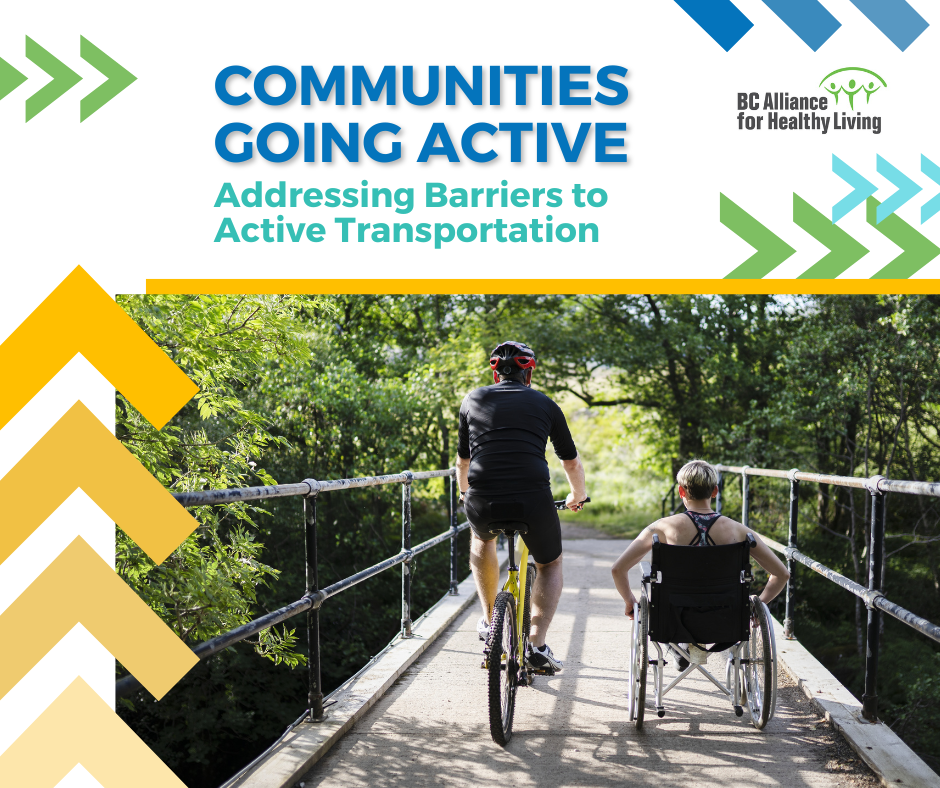
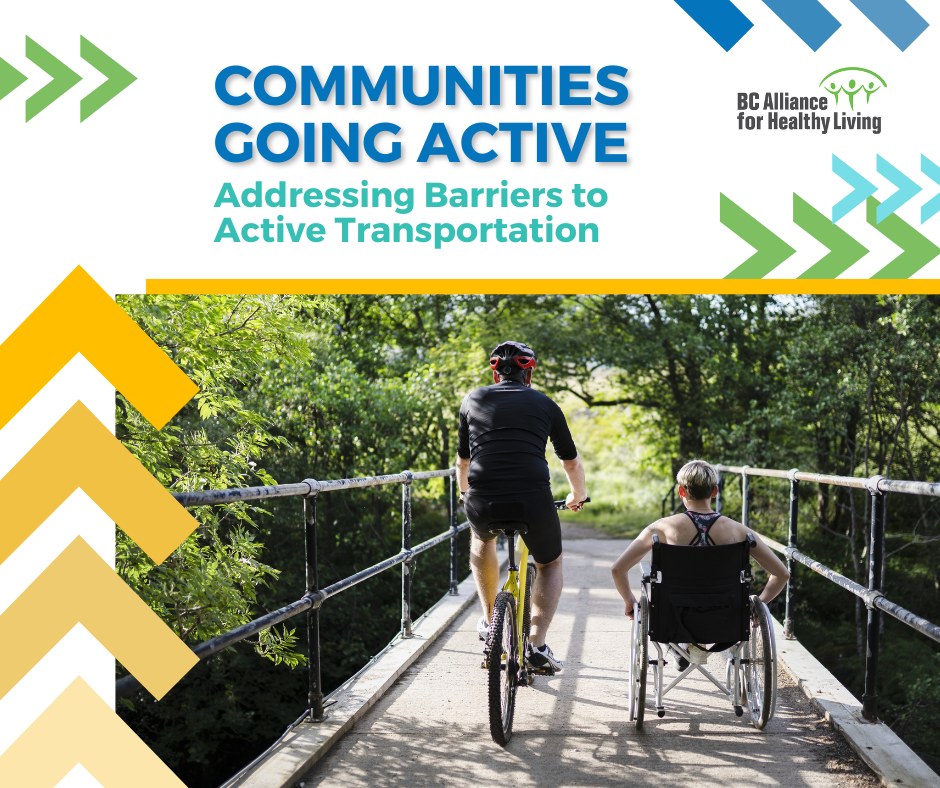
  • Communities Going Active: Addressing Barriers to Active Transportation recording

    Communities Going Active: Addressing Barriers to Active Transportation recording

    We know active transportation has many benefits: it can reduce traffic congestion, lower greenhouse gas emissions, and encourage communities to be physically active, which in turn helps prevent chronic diseases and fosters mental wellness.

    Yet, many people living in British Columbia can’t participate, whether they feel it takes too long to walk or bike, they don’t feel safe, they don’t feel like they have enough skills or that perhaps bikes are too costly for them.

    Last summer, BCAHL launched the Community Active Transportation Engagement (CATE) Project, in partnership with the Ministry of Health. The goal of that project was to increase physical activity through active transportation use by addressing individual-level barriers.

    In this June 27 webinar, we heard from communities that were funded by the CATE Project and the initiatives they launched to address individual-level or behavioural barriers to active transportation.

    Speakers:

    Brendon James is the Transportation Demand Management Coordinator at the District of North Vancouver, where he works on programs and tools to help reduce single-occupancy vehicle use in the community and instead, choose other transportation modes, such as active transportation, public transit, and car-sharing.

    Danica Burwash is the Project Manager with Doctors and Nurses for Planetary Health, which has members throughout the Kootenay-Boundary region. The organization advocates for policies, practices, and projects that protect and restore planetary health, while also benefitting human well-being.

    Glen Cheetham is the Climate and Sustainability Manager at the City of Kamloops, where his team focuses on working with the city’s residents and businesses to reduce greenhouse gas emissions, around buildings, transportation and waste, including supporting community members as they start using active transportation modes. 

  • We’re Hiring: Policy and Programs Coordinator

    We’re Hiring: Policy and Programs Coordinator

    Employment:     Contract position (one year with the possibility of an extension) starting in August, 2024

    Hours:                  Approximately 28 hours/week, 4 days/week

    Location:             Virtual (with in-person meetings in the Lower Mainland)

    Wage Range:     $55,000 – $60,000 annually with extended health benefits

    About the BC Alliance for Healthy Living Society (BCAHL)

    The BC Alliance for Healthy Living is a registered not for profit society that promotes healthy living to prevent chronic disease by mobilizing leading health organizations to collaborate on health policy and programs. The BC Alliance for Healthy Living is an alliance in the truest sense – the leaders of some of the province’s largest and most influential health organizations make up the representatives that govern BCAHL and determine strategic priorities and directions. 

    BCAHL advances healthy public policies, programs and environments that support the physical and mental well-being of British Columbians. As a health promotion group, we work with government on our shared health goals and advocate for policies that promote wellness and prevent chronic disease.

    Since 2015, BCAHL has worked alongside the Ministry of Health to support the B.C. Physical Activity Strategy: Active People, Active Places.  As part of this work, BCAHL convenes and provides operational support to the Physical Activity for Health Collaborative (PAHC) which is comprised of leaders in physical activity from sport, recreation, health and academia. On behalf of PAHC, BCAHL developed and hosts the EverybodyMoves Resource Hub and has engaged stakeholders from across BC to learn what is needed to create more inclusive physical activity programs and facilities to get more people moving.

    To learn more about BCAHL please visit www.bchealthyliving.ca

    Position Overview:

    BCAHL is looking for a dynamic individual with a passion for health and wellness who is an organized self-starter to support our policy and advocacy work and knowledge exchange/translation activities.

    The coordinator will work closely with the Executive Director to support the development and implementation of advocacy strategies and communications to advance healthy public policy.  The coordinator will also work alongside BCAHL’s Managers of Physical Activity and Communications to promote knowledge exchange among Active Communities grant recipients, so that the communities can learn from each other as well as knowledge exchange to promote best practices in healthy living programs and policy. The successful applicant will have a strong aptitude for communications with exceptional writing and solid research skills.

    We are a small, busy and multi-tasking staff team who work remotely. It is essential that the candidate is able to work virtually from their own office and is comfortable working independently but can meet in-person on a regular basis in the Vancouver area. We are looking for a team member who is a self-starter but able to take direction and collaborate with others.  Flexibility is necessary to manage multiple priorities and respond to emerging issues and a sense of humour is essential.

    Required skills and knowledge

    • A university degree or equivalent in public health or social sciences.
    • Knowledge of the principles of health promotion, chronic disease prevention and health equity.
    • A solid understanding of government relations, political cycles and a keen interest in policy.
    • Skilled in analyzing, reviewing, and summarizing complex information concisely.
    • Familiarity developing communications to engage a target audience with clear and succinct writing and engaging presentations.
    • Ability to conduct and use research as well as collect metrics and utilize analytics to measure the success of initiatives or projects.
    • Experience facilitating knowledge exchange sessions or creating knowledge translation products.
    • At least 2 years in a professional position – with experience working on a project or program, maintaining effective relationships with community partners, ensuring project milestones are met, tracking key deliverables, reporting on progress and associated administrative functions.
    • Confidence in speaking and presentation and adept interpersonal skills. Tact and good judgment required.
    • Demonstrated ability to show initiative and ingenuity.

    The following skills would be considered additional assets in this role:

    • Experience working with multi-agency and or/ multi-sectoral coalitions on collective action initiatives.
    • Government relations experience.

    Compensation

    Salary is negotiable within the range based on experience. Benefits include extended health and paid sick and vacation days plus time off when the office is closed during winter break – December 24 to January 1.

    Application Information:

    Interested candidates should submit a resume and cover letter outlining their relevant experience and interest in the position to BC Alliance for Healthy Living Society by email to: info@bchealthyliving.ca

    Application deadline is Sunday, July 21, 2024.  Only candidates selected for further consideration will be contacted.  We thank all applicants for their interest. 

    BCAHL values diversity and believes our communities are healthier when everyone is included and given the opportunity to thrive. We welcome anyone with the requisite qualifications to apply.

  • $1.5M Investment Inspires More People to Get Moving in B.C.

    $1.5M Investment Inspires More People to Get Moving in B.C.

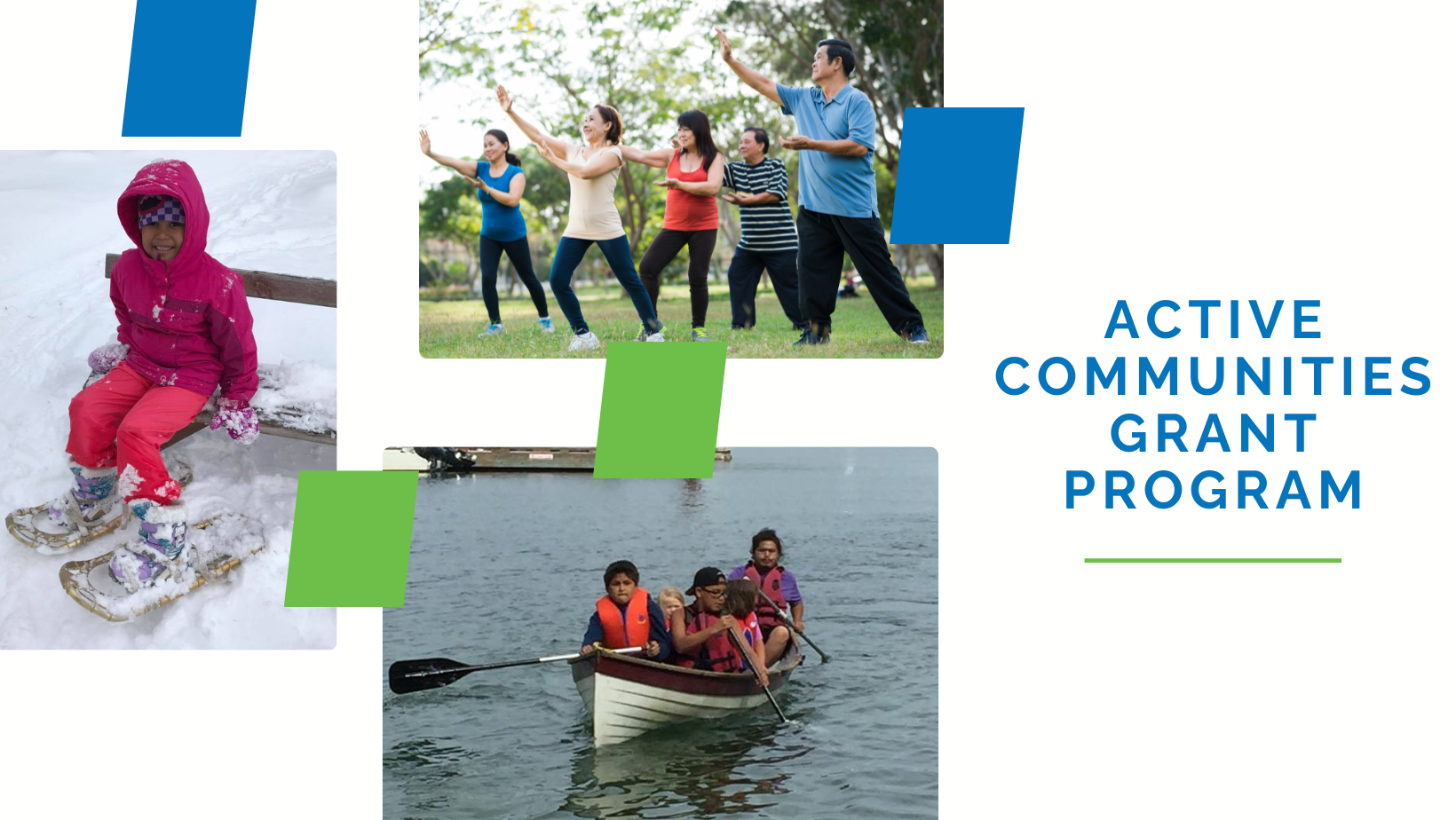
    BC Alliance for Healthy Living (BCAHL), in partnership with Indigenous Sport, Physical Activity and Recreation Council (I·SPARC) and the Ministry of Health, is excited to announce 39 communties across the province have been funded to lead local active living projects as the first recipients of the Active Communities Grant Program.

    The generous $1.5 million investment from the province provides resources to Indigenous and local governments to create or expand accessible physical activity opportunities. This round of funding has two streams: one administered by BCAHL and one administered by the Indigenous Sport, Physical Activity and Recreation Council (I·SPARC) for Indigenous-specific initiatives.

    “We are pleased to provide these grants to the BC Alliance for Healthy Living to help increase peoples’ overall well-being, physical health and mental health”, said Adrian Dix, Minister of Health. “Furthermore, these programs are designed by members of the community and that’s why they are particularly effective in  supporting people to stay active, healthy and resilient, while helping to make the community stronger and more vibrant.”  

    “Everyone benefits from regular movement but some groups struggle more than others to make it happen, which is why BCAHL prioritized funding for projects that create opportunities for less active and equity-deserving residents,” said Rita Koutsodimos, Executive Director of BCAHL. “We also prioritized projects that would build capacity or be sustainable in the long-term, ensuring a lasting impact in each community.”

    “We are excited to be providing this unique opportunity to Indigenous communities throughout the province. The Indigenous Active Communities Grants will offer First Nations, Métis Chartered Communities, and Friendship Centres with funding to support their continued commitment to building healthy, active communities,” said Rick Brant, I·SPARC CEO. “These grants will support community-driven initiatives designed to reduce barriers and increasing access to holistic, culturally relevant, and intergenerational approaches to active living.”

    Many of the projects include traditional activities, addressing the need for a holistic approach to physical and mental wellness, such as the Kulspai-Kitselas Cultural and Wellness Trail, which will encourage community members to explore the traditional territory while promoting and preserving Indigenous knowledge and traditions.

    Daylu Dena Council’s project combines sports, cultural dancing, drumming workshops, and traditional games tournaments to encourage as many community members as possible to participate and inspire them to move in ways that are meaningful to them.

    Through their Inclusive Fitness project, the City of Surrey will be conducting an accessibility audit of their fitness centres, replace equipment that is not accessible and train recreation staff so they can support community members of all abilities and backgrounds on their physical activity journey.

    Other projects focus on providing low-barrier access to physical activity opportunities, as well as training, like the Strathcona Regional District’s (SRD) Aquatic Fitness and lifeguard training project in northern Vancouver Island so communities within the SRD can increase their open swim session offerings.

    “Activities in and around water are an important part of active healthy living for residents in the Strathcona Regional District and our residents are very aware of the risks and benefits,” said Sarah Madelung, Manager of Aquatics and Fitness at SRD. “This grant funding allows us to support that initiative to even the most remote communities in the SRD.”

    BCAHL is grateful for the opportunity to work with the following communities to support them as they provide their communities with the resources to make physical activity possible for more people.

    For a complete list of the funded projects, visit BCAHL’s website. For more funding opportunities from I·SPARC, visit the Food Systems Grant Program and the RISE Grants for Individuals.

    • BCAHL is a coalition of health leaders and together as the Alliance, we advocate for and promote policies that support healthy living to prevent chronic disease in BC.
    • I·SPARC is a provincial organization established to improve the health outcomes of Indigenous peoples through supporting physical activity in communities.
    • Physical activity is a protective factor against coronary artery disease, stroke,  hypertension, type 2 diabetes, osteoporosis, as well as several types of cancers including colon cancer and breast cancer.
    • Evidence shows that even low levels of physical activity can enhance mental health, relieve stress, and improve mood in adults with depression.

    -30-

    Contact:

    Rita Koutsodimos
    Executive Director, BCAHL
    rkoutsodimos@bchealthyliving.ca
    604-989-4546

    Twila Amato
    Manager of Communications and Projects, BCAHL
    tamato@bchealthyliving.ca
    604-655-7883

  • Communities Going Active: Addressing Barriers to Active Transportation

    Communities Going Active: Addressing Barriers to Active Transportation

    Active transportation has many benefits: it can reduce traffic congestion, lower greenhouse gas
    emissions, and encourage communities to be physically active, which in turn
    helps prevent chronic diseases and fosters mental wellness.

    We are fortunate to live in a beautiful province with many natural trails and built environments that foster
    active transportation in our communities. However, many people who live in British Columbia experience real and perceived barriers that prevent them from using active transportation infrastructure: this is why, if we want to encourage and support residents in using active transportation, we must help them overcome those barriers.

    Programs designed to improve confidence, competence, motivation, knowledge and awareness are proven to address barriers that prevent people from using active transportation.

    Join us on June 27 to hear from three B.C. communities that launched projects that helped motivate and support their communities to move more and use active transportation, and how other organizations and local governments can launch similar projects to support active transportation uptake in their communities.

    Register here: https://us02web.zoom.us/webinar/register/WN_X2rFRlbqTqyJauasteSN8Q

    Speakers:

    Brendon James is the Transportation Demand Management Coordinator at the District of North Vancouver, where he works on programs and tools to help reduce single-occupancy vehicle use in the community and instead, choose other transportation modes, such as active transportation, public transit, and car-sharing.

    Danica Burwash is the Project Manager with Doctors and Nurses for Planetary Health, which has members throughout the Kootenay-Boundary region. The organization advocates for policies, practices, and projects that protect and restore planetary health, while also benefitting human well-being.

    Glen Cheetham is the Climate and Sustainability Manager at the City of Kamloops, where his team focuses on working with the city’s residents and businesses to reduce greenhouse gas emissions, around buildings, transportation and waste, including supporting community members as they start using active transportation modes. 


  • Introducing the After-School Active Play Club

    Introducing the After-School Active Play Club

    The After-school Active Play Club provides a unique opportunity for elementary and middle school children to engage in unstructured play on their school grounds after the school day ends. Under the light supervision of an adult, children are free to explore, create, and interact, fostering their physical, social, and emotional development. 

    We are trialling an early version of this program across schools in B.C., and includes an Active Play Grant to get you started!   

    The goal is to let kids be kids: run around, play, learn about themselves, their friends, and the world around them. Even if it’s just for an hour, After-School Play Clubs will help children move more, socialize and lessen their screen time.

    Supervisors play a supportive role, much like a lifeguard – someone who watches from a distance. The key is to oversee without interfering (which might be tough to resist at times). A supervisor should be there to handle real emergencies and to stay mostly in the background, letting children lead their own play. This approach allows children to develop independent thinking, social skills, and problem-solving abilities.

    BC Alliance for Healthy Living is offering Active Play Grants to help in the running of your After-school Active Play Club. These grants are intended to assist with the initial setup and ongoing operations of the club for the pilot period.

    To learn more about the After-school Active Play Club and how to apply for an Active Play Grant, visit the program website.

  • Active Transportation Highlighted in the News

    Active Transportation Highlighted in the News

    The Community Active Transportation Engagement (CATE) Grant Program provides funding to promote the use of recently built active transportation infrastructure by addressing behavioural, or individual level, barriers.

    We at the BC Alliance for Healthy Living (BCAHL) are excited to see these projects funded by the CATE Grant making a difference in communities across the province.

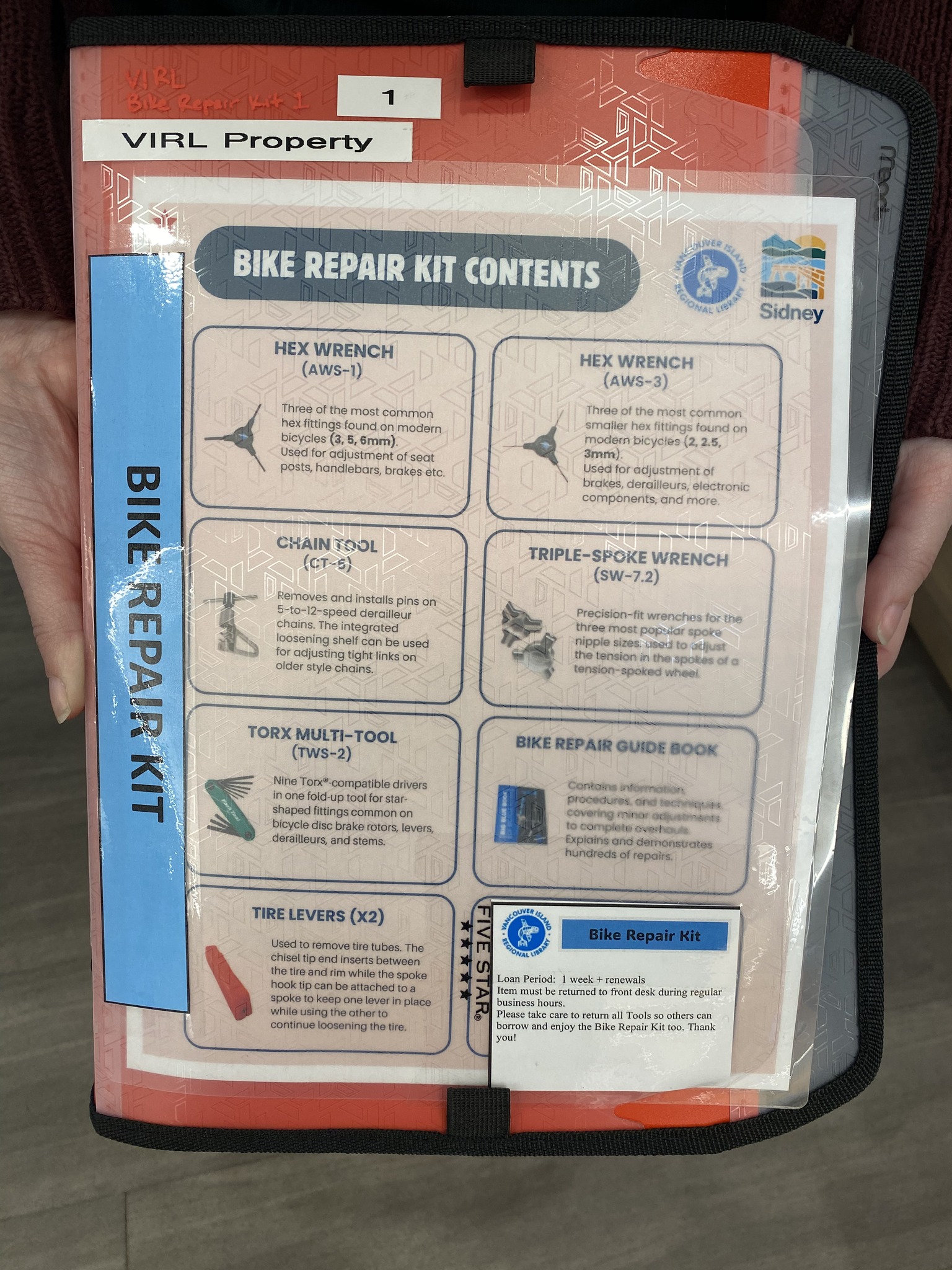
    One of these projects is the Town of Sidney’s active transportation engagement initiative, which addresses awareness, skills and affordability. The town put together bike repair kits, which are available for residents to borrow and take home. The kits include the tools residents would need to keep their bicycles in top form, and are available to borrow at the Vancouver Island Regional Library’s Sidney branch.

    If residents don’t want to take the kit home, there is also a bike repair station at the library where they can take care of repairs on site. The town is also using part of their funding from the CATE grant to host bike skills courses for children and adults, with the goal of encouraging residents to learn and try cycling before buying their own bikes or e-bikes.

    The project has been well-received in the community, and it’s making the rounds in the news. So far, the town’s project has been featured in the Capital Daily, Oak Bay News, CTV News, Chek News, and Victoria Buzz.

    We look forward to seeing more of these projects make active transportation accessible in their communities.

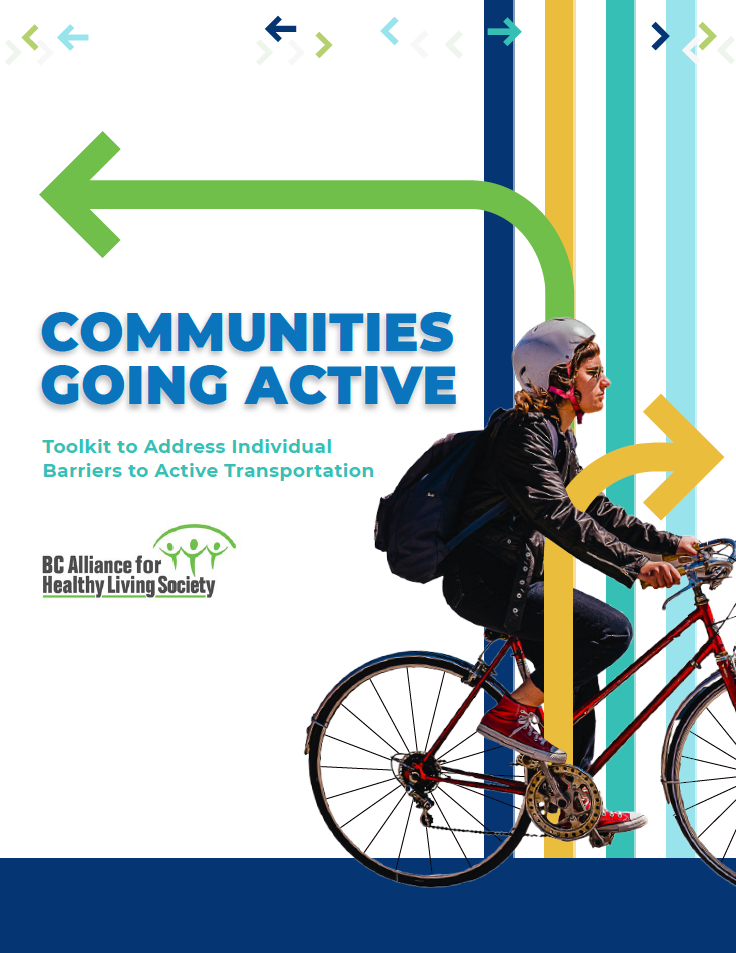
    Check out our Communities Going Active Toolkit to learn more about how to implement initiatives that encourage residents to use active transportation and make it a part of their lives.

  • Communities Going Active Toolkit

    Communities Going Active Toolkit

    Active transportation has many benefits: it can reduce traffic congestion, lower greenhouse gas emissions, and encourage communities to be physically active, which in turn helps prevent chronic diseases and foster mental wellness.

    However, many people in British Columbia experience barriers that prevent them from using active transportation infrastructure. In order to address individual barriers, we have developed the Communities Going Active Toolkit to support communities in promoting the use of active transportation infrastructure.

    Individual barriers to active transportation can be categorized as relating to competence (e.g., cycling skills), motivation, confidence (e.g., belief in abilities and/or perceived safety), and knowledge and awareness of the infrastructure or benefits. Other common barriers relate to access and affordability (such as having the right equipment/gear or enough space to store it).

    This toolkit provides ways to address barriers that prevent people from using active transportation, which include interventions that aim to improve confidence, competence, motivation, knowledge and awareness.

    While it is merely a guide, BCAHL hopes the examples of successful programs in the toolkit spark new ideas that address conditions unique to various communities in the province, and that more people feel supported in their journey to being active.

    View the toolkit here.

  • BCAHL’s Reflections & Accomplishments: 2023

    BCAHL’s Reflections & Accomplishments: 2023

    What a year 2023 has been.

    We’ve seen how resilient people across BC can be: from a difficult summer of wildfires to increasing food prices, we’ve seen our friends and families adapt quickly, give generously and support each other.

    With activities and events now back in full swing after the pandemic, many have been able to get back to enjoying amenities and recreational facilities once again. Throughout this past year, we’ve been grateful to have these opportunities that support our mental and physical health.

    However, this year also saw an incredible increase in the cost of living, as food, rent, mortgage and gas prices skyrocketed, highlighting inequities that were already pushing people to the edge.

    Throughout this eventful year, BCAHL promoted policies and programs to ensure people across BC have equitable access to healthy options. We are proud of the work we’ve done and the connections we’ve made, and we’re excited about continuing our healthy living work in 2024.

    Investing in Healthy People for a Healthier Province

    This year, we celebrated receiving a $4 million investment in healthy living from the province. We are grateful and excited about this funding as it will contribute towards improving health and well-being across BC.

    This recent investment will build on the work started by BCAHL and many other provincial leaders to support the BC Physical Activity Strategy. Phase 1 initiatives funded by the Ministry of Health built strong foundations and capacity. The initiatives from that phase helped British Columbians who typically face barriers to being physically active, supporting healthy living, social connections and mental wellness.

    The new funding also means we will be able to work with more communities to support and promote healthy living through the Physical Activity for Health Collaborative (PAHC), where we will continue to work with partners to coordinate efforts to make physical activity opportunities inclusive and equitable throughout BC. The investment from the province will also support the Collaborative as we work to address the decline in physical activity among children and youth, which was brought on by the pandemic years.

    We will also be launching our new After School Active Kids Club project to increase after-school unstructured free-play opportunities for children, focusing on school districts and communities where there is a gap in active after-school programs.

    This funding will also support Indigenous and local governments in creating active communities throughout the province by making physical activity accessible for more people, through the re-launched Active Communities Grant Program, which you can learn more about here.

    Extreme Heat and Poor Air Quality

    Heat and poor air quality continue to be a concern for many in the province, especially with how it affects our bodies and the way we move outdoors in the summer.

    We worked to address safety and physical activity during extremely hot days and poor air quality events through our spring webinar, as well as through our podcast The Balance. Experts spoke to us about the negative effects of air pollution, particularly wildfire smoke, on our bodies and ways we can mitigate the risks of poor air quality through exercise.

    Our extreme heat and poor air quality work this year also included a social media campaign this past summer. It included safety messages as well as advice on how to continue being active without putting our health at risk.

    Active Transportation

    This summer, we launched the Community Active Transportation Engagement (CATE) Project. The goal of the project is to provide funding for the supports people need to be able to use active transportation infrastructure in communities.

    The program aims to address individual barriers, such as skills, motivation, confidence, affordability, and awareness of infrastructure. Indigenous and local governments that have completed an active transportation infrastructure project within the last two years were encouraged to apply, along with non-profit organizations partnered with Indigenous or local governments.

    Some of the initiatives the grant is funding include promotional events, skill-building workshops, and equipment-share programs. The project includes a robust evaluation and so we are looking forward to learning and sharing what happens when you add programs to infrastructure. 

    Healthy Eating and Food Security: Food for All

    Food prices this year reached a point where many couldn’t afford necessities, pushing people to decide between what they can afford versus what is nutritious. Food Banks Canada’s HungerCount published this year indicated that 2023 saw a considerable increase in food bank visits, with BC recording a 20% increase from 2022.

    Through our social listening campaign, Food for All, we heard from BC residents how difficult it has been to eat nutritious meals when their fixed incomes couldn’t stretch any further; how many of them have to choose between paying rent or buying food.

    Now that the first phase of the project is over, we are building on previous advocacy efforts in support of poverty reduction and a Universal Healthy School Food program with a comprehensive food policy agenda that we will be advancing with our members and other partners.

    Alcohol Policy

    We continued to highlight the chronic disease risks associated with alcohol use on BCAHL’s podcast The Balance. The episode “Alcohol warning labels: How do they help?” featured Dr. Tim Naimi (Canadian Institute for Substance Use Research) and Dr. Heather Bryant (Canadian Partnership Against Cancer), where they spoke about their research on the health implications of alcohol and ways that labelling can help mitigate some of these effects while also educating consumers about the chronic disease and cancer risks.

    Our op-ed, “Do you know how risky your drink is?”, discussed the health consequences of alcohol-related risks in BC, and ways we can decrease excessive alcohol use through the use and promotion of the updated Low-Risk Drinking Guidelines was published in The Tyee, The Province, and Castanet.

    BCAHL, in partnership with Vancouver Coastal Health, hosted “Alcohol & Safety: A Conversation on Community Policy” this fall.

    The dialogue brought Dr. Mark Lysyshyn (Vancouver Coastal Health), Kate Vallance (Canadian Institute for Substance Use Research), and Councillor Tom Stere (District of Tofino) to speak about the effects of relaxed alcohol policies, policy recommendations on a local and provincial level, and ways communities can mitigate some of the health risks associated with alcohol use.

    Active Communities Grant Program

    This year, we re-launched the Active Communities Grant Program which will provide $1.5 million in funding to communities thanks to the investment from the Province of British Columbia. The program builds on the successes of the first iteration of the Active Communities initiative, which provided resources to Indigenous and local governments to create or expand accessible physical activity opportunities.

    This round of funding allows us to continue working with community partners to improve physical activity opportunities across the province.

    Applications for the grant program are open until February 5, 2024. For more information on the program and for the application package, click here.

    We hope your holiday season is filled with joy, and may the new year bring you good health.

  • Alcohol & Safety: A Conversation on Community Policies recording

    Alcohol & Safety: A Conversation on Community Policies recording

    On November 16, Vancouver Coastal Health and the BC Alliance for Healthy Living hosted a dialogue, where participants discussed alcohol consumption and how to keep community members safe and aware about alcohol-related health risks.

    The event started with presentations from Dr. Mark Lysyshyn (Vancouver Coastal Health), Kate Vallance (Canadian Institute for Substance Use Research), and then Councillor Tom Stere (District of Tofino).

    Dr. Lysyshyn discussed alcohol-related harms, specifically in the Vancouver Coastal Health service area, and the effects of relaxed alcohol policies on health. This affects youth, who are reportedly consuming alcohol in risky ways, with this behaviour lasting into adulthood.

    Kate focused on alcohol policy recommendations on a provincial level, while also touching on alcohol-related harms throughout the province. She also presented findings from the Canadian Alcohol Policy Evaluation Project, which showed where BC’s alcohol policies and regulations can improve.

    Councillor Stere finished the presentations with what the District of Tofino council has done to reduce alcohol-related harms in the community, and how other municipalities can do so as well in their areas. He emphasized the importance of municipal advocacy: local governments should get involved in consultations and write letters of support when bills are introduced on provincial and federal levels.

    Speakers:

    Dr. Mark Lysyshyn is the Deputy Chief Medical Officer at Vancouver Coastal Health (VCH), where he works closely with the Harm Reduction and Population Health Programs. He is a specialist in Public Health and Preventive Medicine and Internal Medicine. He is also a Clinical Assistant Professor at the University of British Columbia School of Population and Public Health.

    Kate Vallance is a research associate at the Canadian Institute for Substance Use Research (CISUR) at the University of Victoria. She has worked in coordination and management of a wide variety of alcohol and other drug research projects at both the local and national level, including the Canadian Alcohol Policy Evaluation (CAPE) Project and the Northern Territories Alcohol Labels Study, among many other projects.

    Counc. Tom Stere is a councillor with the District of Tofino and has served in the Alberni-Clayoquot Regional District board since 2020. He is a Rescue Specialist with the Canadian Coast Guard and worked with the Clayoquot Biosphere Project as a Research Stations Manager. He helped establish Tofino Sea Kayaking in 1988. Tom is a board member of the Tofino Harbour Authority and the Rainforest Education Society.

    Additional links:

    District of Tofino’s Municipal Alcohol Policy (MAP)

    Interior Health’s Local Government Alcohol Toolkit

    Warning labels on alcoholic beverages (Bill S-254), introduced by Senator Brazeau